

The liver's main function is to filter everything you eat. It helps guard you from infection and removes bacteria and other toxic substances from your blood to help you stay healthy. Your liver is also responsible for storing energy that drives your muscles, and it also plays an important role in regulating your blood sugar, and controlling your cholesterol and several hormones and enzymes.
Purification
Synthesis
Storage
Transformation
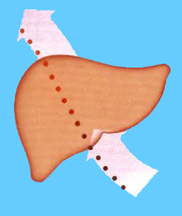
Purification
The liver changes toxic substances like alcohol and nicotine into harmless substances.
Although this is good for the body as a whole, liver cells can be damaged in the process. Detoxification of alcohol, for example, can harm the liver, leading to cirrhosis.
The liver also changes certain medicines into a form your body can use, and inactivates other medicines after they've worked.
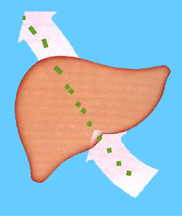
Synthesis
The liver takes simple chemical building blocks and combines them to manufacture (synthesize) more complex substances. For example, the liver manufactures most of the proteins found in the blood, as well as those needed to clot blood, make new cells, and cause chemical reactions inside of cells.
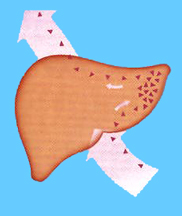
Storage
The liver changes blood sugar (glucose) into a storage form (glycogen). When the body needs energy, the liver releases the sugar into the bloodstream. The liver also stores vitamins and minerals until they are needed in other areas of the body.
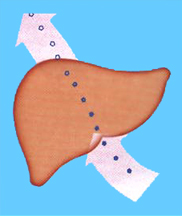
Transformation
The liver uses enzymes to transform small building blocks (amino acids, sugars, and fatty acids) into other building blocks. An excess of one of these enzymes, alanine aminotransferase (ALT), is found in the blood when liver cells have been damaged.
The liver, which inactivates certain hormones, regulates the amount of testosterone and estrogen in the blood. It also plays a major role in breaking down and building up cholesterol.
 Privacy Policy
Copyright © 2002, Schering Corporation, Kenilworth, NJ 07033. All rights reserved.